Case 1 – Carrow Priory & Abbey, Norwich
History
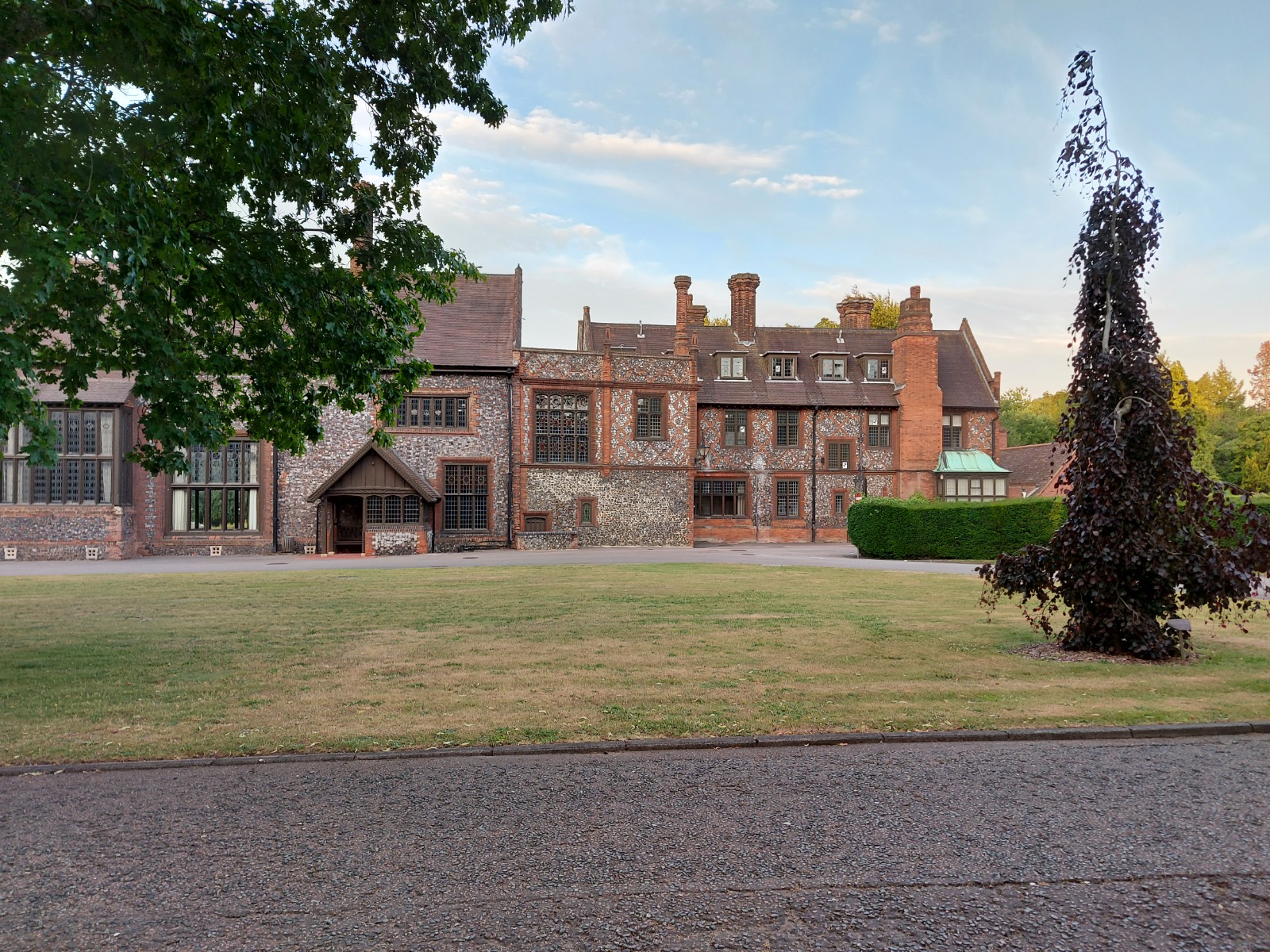
Carrow Priory, often known today as Carrow Abbey, is a former Benedictine nunnery located in Bracondale, just south-east of Norwich city centre. It was founded around 1146 during the reign of King Stephen by two nuns, Seyna and Lescelina, on land granted to a religious community dedicated to St Mary. Although commonly called an abbey, it was actually a priory, housing a prioress and a community of Benedictine nuns. During the medieval period, Carrow became an important religious institution, owning land across Norfolk and playing a significant role in local spiritual and economic life.
The priory survived for nearly 400 years until the Dissolution of the Monasteries under Henry VIII in 1538–39. Most of the monastic buildings were demolished, but the impressive Prioress's House survived and became known as Carrow Abbey. Today, it is a Grade I listed building and one of Norwich's most important historic sites. Archaeological investigations have revealed the remains of the priory church, cloisters, chapter house and cemetery, providing valuable evidence of monastic life in medieval Norfolk. The site also has links to Norwich's industrial heritage through the nearby Colman's mustard works, whose owners helped preserve the historic buildings
Our investigation